
328 읽음
트럼프, 왜 미국인 희생 언급하며 '이란 전쟁'을 결심했나...딥 스토리
 최보식의언론
 0
0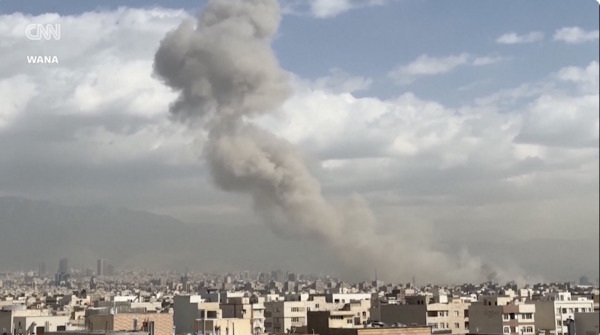
트럼프 대통령은 이란의 핵무기 개발 프로그램과 관련해 협상이 난항을 겪는 상황에서 대규모 군사작전을 택했다.
트럼프 대통령은 이날 영상 연설에서 "미군의 중대전투가 시작됐다"며 대이란 군사작전을 확인했다.
트럼프 대통령은 "이란이 핵 프로그램 재건을 시도한다며 이란의 핵보유를 막기 위해 무력을 사용한다"고 설명했다.
이어 트럼프는 이번 전쟁에서 미국인들이 희생될 거라는 사실을 언급했다.
“이란 정권은 살상을 추구한다. 용감한 미국 영웅들의 생명이 희생될 수 있고, 전쟁에서는 흔히 그렇듯 사상자가 발생할 수 있다. 그러나 우리는 지금만을 위해서가 아니라 미래를 위해 이 일을 하고 있으며, 이는 고귀한 임무다.” 미국의 군사행동에는 이스라엘도 동참했고, 베냐민 네타냐후 이스라엘 총리는 이번 작전을 '사자의 포효'라고 명명했다.. 작년 6월 선제공격 때의 작전명은 '일어서는 사자'였다.
트럼프 대통령이 지난 주 중동에 대규모 해군 전력 증강을 지시하면서 미국의 이란 공격은 이미 징후가 있었다.
뉴욕타임스는 지난 20일자에 미국과 이란의 충돌이 전면적으로 확전되면 이른바 작년의 ‘12일 전쟁’보다 훨씬 심각한 피해를 초대할 것이라고 전망했다. 이란이 보복에 나서면 미군 사상자가 상당한 규모로 발생할 수 있다는 것이다.
28일 이란 공격 직후 공개된 영상과 사진에는 테헤란 상공으로 연기가 치솟는 모습이 담겼다.
BBC에 따르면 이란 전역 5개 도시에서 폭발음이 들렸다고 알려졌다.
다음은 CNN의 28일 자 ‘Trump deliberated on Iran for weeks. His 'massive and ongoing' operation comes with acknowledgment US lives could be lost’(트럼프는 몇 주간 이란을 놓고 숙고했다. ‘대규모이자 현재 진행 중인’ 그의 작전은 미국인의 희생 가능성을 인정하는 가운데 단행됐다)라는 제목의 기사 전문이다. (편집자)
도널드 트럼프 대통령이 이란을 상대로 한 “대규모이자 현재 진행 중인(massive and ongoing)” 미군 군사 작전을 발표하고, 이란 국민들에게 억압적인 지도부를 떨쳐내라고 노골적으로 촉구한 것은 지정학적 위험을 감수하려는 그의 새로운 의지를 드러내는 동시에, 그의 대통령직을 더 깊은 불확실성의 국면으로 밀어넣었다.
트럼프는 토요일 새벽 트루스 소셜에 게시한 영상에서 이란을 두고 “미국 군은 이 극도로 사악하고 급진적인 독재 정권이 미국과 우리의 핵심 국가안보 이익을 위협하지 못하도록 하기 위해 대규모이자 현재 진행 중인 작전을 수행하고 있다”고 말했다.
그는 이 작전에서 미국인의 생명이 희생될 수 있음을 분명히 인정했다.
8분 분량의 이 녹화 영상은, 그간 불분명했던 이란에서의 대통령의 목표와 함께 심각한 결과가 초래될 가능성을 적나라하게 드러냈다.
트럼프는 대규모 공중 작전이 이란의 정권 교체로 이어질 수 있기를 기대하는 듯 보이지만, 그 뒤를 이을 체제가 무엇일지에 대한 막대한 불확실성과, 공중전력만으로 한 나라의 지도자를 축출한 역사적 사례가 극히 제한적이라는 점은 여전히 남아 있다.
트럼프는 “그들은 핵 야망을 포기할 모든 기회를 거부했고, 우리는 더는 이를 감내할 수 없다”고 말했다.
한 미국 정부 관계자에 따르면 트럼프는 자신의 별장인 마러라고(Mar-a-Lago)에서 타격 상황을 계속 지켜보고 있다.
대통령은 몇 주간의 숙고와, 그의 특사들이 이란으로 하여금 오랫동안 고수해 온 레드라인을 포기하도록 강요하는 신속한 외교 합의를 타결하려 했던 시도 끝에 결정을 내렸다.
미군은 수일간의 공격을 계획하고 있다고 두 명의 소식통이 CNN에 전했다.
트럼프는 화요일 국정연설(State of the Union)에서조차 전쟁의 명분을 완전히 공개적으로 설명하지 않았다.
이는 특히 해외 개입을 끝내겠다고 공약하며 선거운동을 벌였던 대통령에게, 국내 정치적으로 극히 위험한 선택임에도 불구하고 이뤄진 거시다. 그는 토요일, 전쟁으로 인해 따를 수 있는 대가로 미국인의 생명을 언급했다.
“이란 정권은 살상을 추구한다. 용감한 미국 영웅들의 생명이 희생될 수 있고, 전쟁에서는 흔히 그렇듯 사상자가 발생할 수 있다. 그러나 우리는 지금만을 위해서가 아니라 미래를 위해 이 일을 하고 있으며, 이는 고귀한 임무다.”
트럼프는 또, 미군 인력에 대한 위험을 최소화하기 위해 가능한 모든 조치를 취했다고 덧붙였다.
많은 동맹들에게 미국의 군사 행동은 오래전부터 불가피해 보였다.
트럼프는 연초 이란의 시위대에게 자신이 지지하러 오겠다고 말하며, 미국이 “완전 무장 상태(locked and loaded)”라고 이란 정권에 경고했고, 그로 인해 자신의 레드라인을 집행해야 한다는 의무감을 느꼈다.
“우리가 끝내면, 당신들의 정부를 장악하라. 그것은 당신들이 차지할 것이다. 이것은 아마도 수 세대에 한 번 있을까 말까 한 기회일 것이다.”
트럼프는 영상에서 이란 국민들에게 이렇게 말했다.
“여러 해 동안 당신들은 미국의 도움을 요청했지만 얻지 못했다. 어떤 대통령도 오늘 밤 내가 하려는 일을 하려 하지 않았다. 이제 당신들이 원하는 것을 주는 대통령이 있다. 어떻게 응답하는지 보겠다.”
트럼프가 집권 복귀 이후 이란 내에서 두 번째로 단행한 이번 타격의 동기는, 대체로 간결하고 즉흥적인 공개 발언을 통해 전달되며 시간이 지나며 바뀌어갔다.
시위대 보호에서 이란의 핵 야망 억제, 그리고 이란 정권 축출로 옮겨갔다. 그는 또한 이란의 미사일 비축과 헤즈볼라·하마스 같은 역내 대리세력에 대한 불안정화 지원도 거론해 왔다.
미국과 이스라엘의 군사 행동이 이러한 목표들 전부 혹은 일부를 어떻게 진전시키는지는 아직 지켜봐야 한다. 사후 상황에 대해 대통령이 무엇을 기대하라는 설명을 들었는지도 명확하지 않다.
타격을 앞두고 물밑에서는, 관리들이 결정적 임무에는 못 미치는 여러 불완전한 선택지들을 놓고 고심했다.
이는 트럼프가 1월 베네수엘라의 니콜라스 마두로를 카라카스에서 체포하도록 명령했던 작전과 같은 결정적 임무와는 달랐다. 미 정보당국은 이란의 최고 지도부가 제거될 경우 누가 그 자리를 대신할지 확신하지 못하고 있다.
군 당국은 또한 보복 위험이 매우 크다고 대통령에게 경고해왔다. 중동에 주둔한 수천 명의 미군이, 이란이 약속한 보복을 실행할 경우 잠재적 표적이 될 수 있다.
지난 몇 주간 상황실(Situation Room)의 집중 회의에서 트럼프와 고위 관리들은, 합참의장인 댄 케인 장군을 포함한 국방부 수뇌부에게 각 선택지의 성공 가능성을 집요하게 물었다. 답변은 대체로 확정적이지 않았고, 그 사이 트럼프는 중동에서 대규모 군 증강을 명령했다.
타격에 앞서 나온 모호한 공개 발언들에서 트럼프는 미 정보에 뒷받침되지 않은 위협도 내놓았다. 그중에는 이란이 곧 미국을 타격할 수 있는 미사일을 갖게 될 것이라는 주장도 있었다.
“그들(이란)은 합의를 해야 하지만, 충분히 멀리 나아가려 하지 않는다.”
그는 금요일 텍사스 방문 중 이렇게 말했다. “그들은 핵심 단어를 말하고 싶어 하지 않는다. ‘우리는 핵무기를 갖지 않겠다’라는 말이다.”
그러나 분쟁을 피하기 위한 기준이 이란의 말뿐이었다면, 그 문턱은 이미 넘어선 상태였다. 이란은 이번 주를 포함해 반복적으로 '핵무기를 추구하지 않는다'고 말해 왔다.
과거에 무기급에 가까운 수준까지 우라늄을 농축한 전력이 있는 등 그 주장에 의문을 제기할 이유는 많다. 하지만 이란의 말만을 강조한 트럼프의 접근은, 그가 정확히 어떤 합의를 원하는지에 대한 의문을 오히려 키웠다.
일부 고위 관리들이 이란이 협상하기로 악명 높다고 경고했음에도 그는 외교를 진행하도록 허용했다. 이란의 최고지도자가 최종 승인권을 쥐고 있는 만큼, 설령 협상가들이 더 유연해 보이더라도 트럼프의 조건에 동의할지에 대해서는 회의적인 시각도 있었다.
트럼프 주변의 많은 인사들은 합의 추구를 권했다. 그의 특사 스티브 위트코프와 재러드 쿠슈너는 이란과 간접 회담 세 차례를 진행하며, 신중한 기대 속에 논의에 임했다.
그러나 덜 고무적인 목소리도 있었다. 공화당의 린지 그레이엄 상원의원은 이란이 제시했다는 '일부 양보'에 대해 공개적으로 비웃었고, 이달 워싱턴을 급히 찾은 이스라엘 총리 베냐민 네타냐후는 '이란을 타격하기에 지금보다 더 좋은 시기는 없을 것'이라고 말했다.
전반적으로 트럼프는 주변 인사들에게 전쟁으로 나라를 끌고 가는 데 신중해 보였고, 자신이 탈퇴했던 오바마 시절의 핵 합의보다 더 강력한 성과로 포장할 수 있는 외교적 결과를 선호했다. 그러나 그는 짧은 시한을 설정하며 합의를 재촉했고, 테헤란으로부터 원하는 양보를 얻지 못했다.
타격을 명령하면서 트럼프는, 군 고문들이 결과가 불확실하고 테헤란의 과도한 보복을 촉발할 수 있다고 경고했던 작전에 대한 일부 우려를 극복했다.
그리고 이번 새 작전은, 지난 6월 이란의 핵 시설에 대한 제한적 미군 타격에 이은 것으로, 외국 전쟁에 반대해 온 지지층을 가진 대통령에게 중대한 정치적 위험을 안긴다.
집권 2기 동안 트럼프는 6개국 이상 국가에서 미군을 동원해 표적을 공격해 왔다. 이 작전이 얼마나 오래 지속될지, 그리고 비용과 생명의 대가가 얼마나 될지는 아직 분명하지 않다.
이번 주 인터뷰에서, 과거 불확실한 목적을 위해 미군을 위험에 빠뜨리는 것에 경고해 온 JD 밴스 부통령은, 이란에서의 어떤 작전도 이라크나 아프가니스탄 전쟁과 같은 장기 분쟁으로 이어지지는 않을 것이라고 시사했다.
그는 워싱턴포스트에 이렇게 말했다.
“과거의 실수를 반복하지 않아야 한다고 생각한다. 동시에 과거의 교훈을 과도하게 학습하는 것도 피해야 한다고 본다. 한 대통령이 군사 분쟁을 망쳤다고 해서, 우리가 다시는 군사 분쟁에 관여할 수 없다는 뜻은 아니다. 우리는 신중해야 하지만, 대통령은 신중하게 행동하고 있다고 생각한다.”
트럼프는 금요일 자신의 평가에서도 장기화 위험을 인정했다.
“항상 위험은 있다. 전쟁이 있는 한, 좋은 것이든 나쁜 것이든 모든 것에는 위험이 있다고 말할 수 있을 것이다.”
President Donald Trump's announcement of a "massive and ongoing" US military campaign against Iran - and his explicit call for the country's citizens to shake off their oppressive leadership - put on display his fresh appetite for geopolitical risk and thrust his presidency into a deeper period of uncertainty.
"The United States military is undertaking a massive and ongoing operation to prevent this very wicked, radical dictatorship from threatening America and our core national security interests," he said of Iran in a video posted to Truth Social early Saturday morning, in which he starkly acknowledged that US lives may be lost in the operation.
The eight-minute recording laid bare both the president's objectives in Iran - which had been unclear - and the potential for dire consequences. Trump appears hopeful his major air operation can successfully result in a change in Iran's regime, despite the vast uncertainties about what might replace it and the limited historical examples of air power alone ousting a country's leader.
"They rejected every opportunity to renounce their nuclear ambitions, and we can't take it anymore," said Trump, who a US official said is continuing to monitor the strikes from Mar-a-Lago.
The president reached his decision after weeks of deliberation and an attempt by his envoys to strike a rapid diplomatic agreement that would have forced Iran to abandon long-held red lines. The US military is planning for several days of attacks, two sources told CNN.
Trump never fully publicly laid out his case for war, even during his State of the Union address on Tuesday, despite strikes being a politically perilous move at home, especially for a president who campaigned on ending foreign entanglements. He noted on Saturday the potential cost to American lives.
"The Iranian regime seeks to kill. The lives of courageous American heroes may be lost and we may have casualties - that often happens in war - but we're doing this not for now. We're doing this for the future, and it is a noble mission," the president said, adding that US had "taken every possible step to minimize the risk to US personnel in the region."
To many of Trump's allies, military action had long appeared inevitable. After telling Iranian protesters at the start of the year that he would come to their support, warning the US was "locked and loaded" to attack, he felt obligated to enforce his red line.
"When we are finished, take over your government. It will be yours to take. This will be probably your only chance for generations," Trump told the Iranian people in his video.
"For many years, you have asked for America's help, but you never got it. No president was willing to do what I am willing to do tonight. Now you have a president who is giving you what you want, so let's see how you respond," he said.
Trump 's motivations for his second set of strikes within Iran since returning to office - conveyed mostly in curt, off-hand public remarks - appeared to shift over time, moving from protecting protesters to curbing Iran's nuclear ambitions to ousting the Iranian regime. He's also cited Iran's arsenal of missiles and destabilizing support for regional proxy groups, like Hezbollah and Hamas.
How the latest military action from both the US and Israel advances all, or any, of those objectives remains to be seen. Nor was it clear what the president has been told to expect in the aftermath.
Behind the scenes ahead of the strikes, officials wrestled with a slate of imperfect options that all stopped short of a decisive mission like the one Trump ordered in January to capture Venezuelan leader Nicolás Maduro in Caracas. US intelligence is uncertain on who would replace Iran's senior leaders if they are taken out.
Military officials have also warned the president about the steep risks for retaliation. Thousands of American troops based in the Middle East could now potentially be targets for Iran as it carries out promised reprisals.
During intense Situation Room meetings over the last several weeks, Trump and senior officials peppered top Pentagon brass, including Gen. Dan Caine, the chairman of the Joint Chiefs of Staff, with questions about each options' likelihood of success. The answers were often inconclusive, even as Trump ordered a massive military buildup in the Middle East.
In his vague public remarks leading up to the strikes, Trump issued threats not backed by US intelligence - including that Iran would soon have a missile that can hit the US.
"They should make a deal, but they don't want to quite go far enough," he said Friday during a stop in Texas. "They don't want to say the key words: 'We're not going to have a nuclear weapon.'"
Yet if Iran's words alone were the bar for avoiding conflict, the hurdle had already been cleared. The country has repeatedly said it is not pursuing nuclear weapons, including this week.
There are many reasons to question that claim, including Iran's previous enrichment of uranium to near-weapons grade. But Trump's emphasis on the country's words alone only seemed to raise more questions about what, precisely, he was looking for in a deal with the country's leaders.
He allowed diplomacy to proceed, despite warnings from some senior officials that Iran was notoriously difficult to negotiate with. Some questioned whether Iran's Supreme Leader, who has ultimate sign-off, would agree to any of Trump's terms - even if his negotiators seemed more willing to negotiate.
Many inside Trump's orbit encouraged him to pursue a deal. His envoys Steve Witkoff and Jared Kushner, who engaged in three rounds of indirect talks with the Iranians, entered the discussions with guarded hopes for success.
But others were less encouraging. GOP Sen. Lindsey Graham publicly scoffed at some reported concessions offered by the Iranians. And Israeli Prime Minister Benjamin Netanyahu, in an urgent visit to Washington this month, said there would unlikely be a more opportune moment to strike Iran.
Throughout, Trump had appeared to people around him wary of taking the country to war, far preferring a diplomatic outcome that he could sell as stronger than the Obama-era nuclear deal he withdrew from. But he was impatient for an agreement, setting short timelines that did not yield the concessions he was seeking from Tehran.
In ordering the strikes, Trump overcame certain misgivings at launching an operation his military advisers warned could have an uncertain outcome and could prompt outsized retaliation by Tehran.
And the new operation - which follows limited US strikes on Iran's nuclear facilities last June - poses significant political risk for a president whose base has opposed foreign wars. In all, Trump has used the US military to target sites in more than than a half-dozen countries in his second term. It's not clear how long this operation may last or cost, either in terms of money or lives.
In an interview this week, Vice President JD Vance - who has previously warned about sending US troops into harm's way for uncertain purposes - suggested any operation in Iran would not result in a prolonged conflict akin to the wars in Iraq or Afghanistan.
"I do think we have to avoid repeating the mistakes of the past. I also think that we have to avoid overlearning the lessons of the past," he told the Washington Post. "Just because one president screwed up a military conflict doesn't mean we can never engage in military conflict again. We've got to be careful about it, but I think the president is being careful."
Trump acknowledged the risk of a prolonged conflict in his own assessment on Friday. "I guess you could say there's always a risk. You know, when there's war, there's a risk in anything, both good and bad."
#미국이란충돌 #중동전쟁위기 #이스라엘공습